In the same way it can be difficult to buy skincare for your skin type, knowing what hair type you have can be a minefield when shopping for products
If you’ve been Googling “what type of hair do I have?”, chances are you’re not happy with your current shampoo, conditioner, or haircare line.
Hair products rarely come cheap so it can be both frustrating and expensive when you’re not getting the very best out of your locks.
Below we explain more about hair types including how to know which type are you – from Type 1 to Type 4. We also detail which haircare ingredients to look out for, and which to avoid.
Your hair type is determined by your genes and this falls into four main types – straight, wavy, curly, and kinky. Kinky can also be referred to as coily, afro, and natural hair, depending on where in the scale it sits.
Within these types are three further categories which are determined by where on the hair scale they fall. The image below explains what we mean.
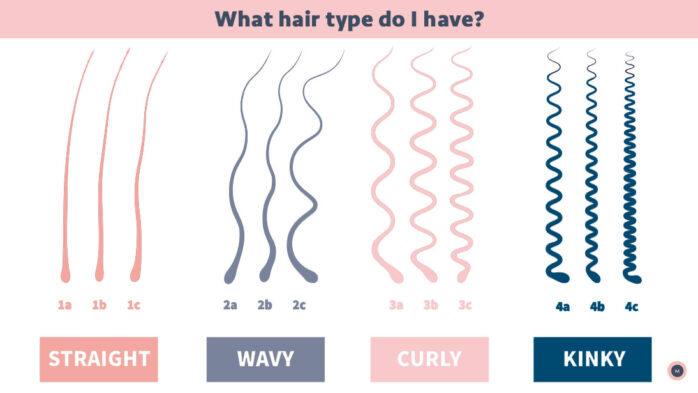 Getty Images/iStockphoto/mamabella
These hair types ultimately determine your hair structure – fine, medium, and thick – and these can’t be permanently changed. No matter how many products you apply or treatments you use.
Your hair condition is the factor that can be changed with products and treatments. It can also be impacted by your diet, your haircare regime including which shampoo and conditioner you use, whether your hair is colour-treated or not, when it was last cut, and other pollution and environmental factors can all play a role in how it looks and feels.
Many people assume that they have naturally oily hair, but this isn’t always the case. It could be their products weighing it down. It can also leave people believing they have one type of hair when in fact they have another. The prime example is people who believe their hair is wavy when it’s curly, and vice versa.
One of the most common hair conditions is known as combination hair. This is when your roots are greasy and your ends are dry.
Sadly, shampoos, conditioners, and masks aren’t labelled by “type”. Life would be so much easier if they were! This is why it’s a minefield knowing which hair products to buy. Below we explain how to work out what your hair type is, to at least put you on the right path.
WANT TO KNOW MORE? Best shampoo | Best conditioner | Best curly hair products | Best hair dryer | Best hair dye | Best hair removal cream | Best hair mask | Best products for curly hair | Best products for straight hair | Best purple shampoo | Best hairbrush| Best dry shampoo | Best straighteners | Best hair dryer | Best cordless straightener | Best hair waver
Your hair type comes down to its type, which refers to its natural shape, as well as how porous it is.
You can take an online quiz, like Pure Wow’s Ultimate Hair Type Test. This test revealed to us that we’re a Type 3B – we would have thought we were at least a Type 2!
You can also check your hair type manually.
To find out your hair’s texture, let it air dry and look at the shape it creates.
 Getty Images/iStockphoto
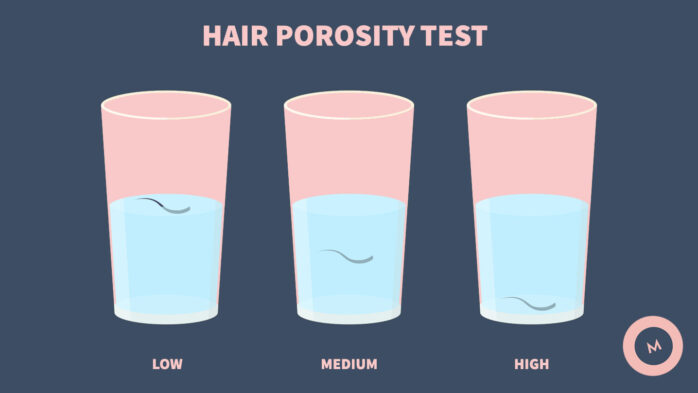
 To determine what porosity it is, you can take our hair porosity test. To summarise, though, hair porosity refers to how individual hair strands hold oil and moisture. Its porosity determines how long your hair stays wet after a shower, how long it takes to blow dry and how it responds to humidity.
Typically, the curlier your hair, and the higher its porosity, the drier it is, and vice versa. There are a couple of ways to determine your hair porosity, but the most simple is as follows:
It’s generally better if your hair is low porosity, however this still causes problems when it comes to choosing hair products.
Low porosity hair repels moisture meaning hair treatments struggle to penetrate the shaft. Low porosity hair is also prone to build-up, especially from protein-rich deep conditioning products
Conversely, high-porosity hair loses moisture easily so it’s important to use leave-in conditioners, hair moisturisers, and products that seal and protect the hair.
You can find out which hair products you need for low, medium and high porosity hair here
As its name suggests, the structure of your hair refers to how it’s “built” and this is usually categorised into fine, medium thick.
People with thin and straight hair typically need to wash their hair more often because oils and grease will weigh down their style. People with curly and natural hair need more moisture from their shampoos and conditioners to avoid their locks drying out.
A good way to tell your hair structure, according to Function of Beauty is to put a strand of your hair next to a strand of cotton sewing thread. If it’s thinner than the thread, your hair is fine. If it’s the same width, it’s medium. If it’s wider, your hair is thick.
Use this guide to help you find out the best hair products for your specific hair types – and what to avoid.
 Vicky Woollaston
Victoria is founder and editor-in-chief of mamabella, freelance journalist and Mum. She has a passion for empowering people to feel beautiful whatever their age, size, skin type and budget