Nasal tanners are trending, but are they safe? We explain what they are, how they work, and why experts warn of serious side effects and cancer risks
NASAL TANNERS: QUICK TAKE
Here’s the TL;DR version of the truth about nasal tanners UK and Melanotan II:
Nasal tanners contain Melanotan II, an unlicensed synthetic hormone
They work by triggering melanin production, darkening skin
They are not safe – they’re illegal to sell in the UK, haven’t been safety tested and are made in unregulated conditions
Side effects include nausea, appetite loss, sexual arousal, mole changes and cancer risk
Experts and the NHS warn against using them
Nasal tanning sprays have exploded in popularity on TikTok and other social platforms but recent investigations, including a report by the BBC, reveal a darker side to this so-called beauty hack.
Marketed as a quick fix for sun-kissed skin – without having to use fake tan or sit out in the sun all day – nasal tanners claim to deepen your skin tone with just a quick sniff.
Influencers have been seen spraying them up their noses before hitting sunbeds or the beach.
They’ve even been dubbed the ‘lazy girl’s tan’, and videos tagged with #nasaltanner have racked up millions of views.
But while social media makes them look like a shortcut to a golden glow, doctors and regulators are warning that nasal tanners are illegal, untested, and potentially dangerous – even life-threatening.
The Chartered Trading Standards Institute (CTSI) has even described unsafe cosmetic products “as the biggest emerging threat to UK consumers,” and they specifically call out nasal tanners as well as DIY lash lift kits and nail glue.
So what’s the truth? In this guide we go through the research, speak to experts cut through the hype to explain what they are, how nasal tanners work, and why experts warn of serious side effects and cancer risks.
 mamabella | mamabella
 Nasal tanners are sprays or mists that contain a synthetic chemical called Melanotan II – a lab-made version of a natural hormone (α-MSH) that stimulates melanin production.
Melanin is what gives your skin, hair and eyes its pigment, and when your body makes more of it, your skin gets darker.
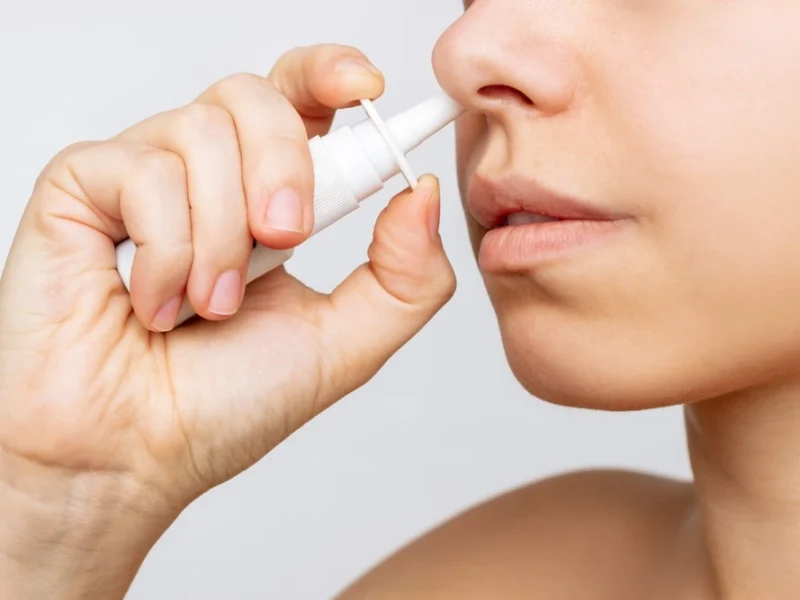
As the name suggests, nasal tanners are sprayed into the nose, with the idea that Melanotan II gets absorbed into the bloodstream through the nasal lining.
Most nasal tanners come as a small spray bottle, which users squirt into each nostril once or twice a day.
The products claim that this then triggers the body to make more melanin, even without much sun exposure. However, nasal absorption of peptides is inconsistent, and no studies have proven this is an effective or safe way to deliver Melanotan II. It’s often a guessing game, and people may end up overusing or underdosing – leading to poor results or dangerous effects.
People also often combine nasal tanners with sunbeds or sunlight to intensify the effect but here’s the catch: Melanotan II is not licensed for cosmetic use in the UK, and nasal tanners haven’t been tested for safety.
In fact, they’re classed as unlicensed medicines and selling or promoting them as tanning products is illegal.
Melanotan II binds to receptors in your skin’s pigment cells (melanocytes), activating them to produce more melanin. This process, called melanogenesis, can deepen your skin tone over time, especially when combined with UV exposure.
But the chemical doesn’t just target pigment cells.
It also interacts with other hormone receptors in the body, which is why people report unrelated side effects like nausea, appetite loss, and sexual arousal. These effects are due to the drug acting on the melanocortin system, a network of hormone receptors involved in everything from skin colour to energy balance and libido.
Originally developed for conditions like erectile dysfunction and rare skin disorders, Melanotan II has never been approved for mainstream cosmetic use – and certainly not in the form of DIY sprays bought online.
Reports suggest Melanotan II was originally developed in the 1980s and 1990s by researchers at the University of Arizona who were studying ways to protect skin from UV damage (although we’ve struggled to verify this with an official link).
These reports claim the goal was to create a drug that could stimulate melanin production as a form of internal sun protection – essentially, a “sunless tan” that could reduce the risk of skin cancer.
In lab trials, Melanotan II was said to have successfully triggered melanin production, but it also caused a range of unexpected side effects, including nausea and spontaneous erections.
This led to the creation of a derivative called Bremelanotide, which is now approved in some countries as a treatment for sexual dysfunction. Meanwhile, Melanotan II was never approved for human use and remains unlicensed in the UK and EU.
Despite this, word of its tanning effects spread online, particularly in bodybuilding and image-conscious communities. People began buying raw powders and mixing their own injectable solutions. As interest grew, so did the market for illegal “melanotan” products, with many falsely marketed as safe, natural, or approved for cosmetic use.
The rise of social media and influencer marketing accelerated the trend. TikTok videos and YouTube vlogs showcasing rapid tans and dramatic transformations helped drive curiosity, especially among younger users looking for quick, effortless results. Nasal sprays followed as a seemingly easier, more discreet alternative to injections, but they carry many of the same risks and none of the regulation.
 TikTok
 A huge part of the hype comes from TikTok. Influencers and creators post nasal tanner before and after videos showing fast, deep tans after using nasal sprays. These clips often get millions of views and are paired with tanning bed footage or “glow-up” routines.
The appeal is obvious – no streaks, no mess, no smell, and fast results. If you’ve read our fake tan fails guide, you’ll know why so many people are flocking to the “miracle” product.
But the danger lies in how misleading this all is.
Many of these videos fail to mention that Melanotan II is illegal, that it can cause serious side effects, or that it hasn’t been safety tested. Some sellers get around platform rules by calling it a “peptide” or “research chemical,” while others promote affiliate codes without any medical disclaimer.
And because of these loopholes, the social networks are struggling to moderate this worrying trend.
What’s more, while nasal sprays are currently trending, Melanotan II is more commonly taken via injection, typically under the skin using insulin syringes. This version is commonly referred to as a Barbie Drug.
This method carries additional risks including infection, abscesses, incorrect dosing, and the use of unsterile or contaminated equipment. The NHS has previously warned that injected melanotan products have been linked to serious complications, including hospitalisation, due to the uncontrolled nature of the drug and how it’s used.
 NHS
NHS No. According to the Medicines and Healthcare products Regulatory Agency, Melanotan II is an unlicensed medicine, which means it’s not approved for use or sale.
This makes it illegal to advertise, promote, sell, or supply nasal tanners in the UK. TikTok and Amazon have both taken steps to ban the promotion and sale of these products, but as the recent BBC investigation found, sellers are still active online – often targeting young users through coded language and influencer content.
It’s also illegal for influencers to promote them without disclosing the risks, yet the investigation found many doing exactly that, too.
“Nasal tanning sprays are designed to be sprayed into the nostrils and claim to work by administering a substance known as Melanotan 2, a chemical that darkens skin pigmentation,” said the CTSI. “It is illegal to sell medicinal products containing Melanotan 2 in the UK, but as the tanners are sold cosmetically they fall outside that remit.
“However, they are not covered by UK cosmetics regulations, meaning they are not subjected to the same scrutiny as other over-the-counter beauty products.”
Richard Knight, CTSI Lead Officer for Cosmetics and Beauty, said: “Edith’s story is a sobering one, and an example of what can happen when putting unregulated products into our bodies. Unlike cosmetic products, nasal tanning sprays are unlikely to have had expert safety assessment, and use of relevant health warnings and instructions for safe use are rare. This means that no-one, including influencers, can truly know the risks of using these quasi-medical potions.”
 mamabella | mamabella
 Due to the fact melanotan II affects hormone receptors throughout the body, it can cause a wide range of unpredictable and potentially harmful side effects, including:
One of the biggest concerns is how melanotan II can stimulate changes in moles, which could either mask early signs of skin cancer or potentially increase the risk of melanoma, a serious form of skin cancer.
A study published as far back as 2013 linked melanotan II use to changes in mole morphology and atypical skin lesions, raising red flags about long-term safety and the risk of melanoma.
Some users report seeing a tan develop within days, especially when combined with tanning beds or sun exposure. Others say it takes a week or two. This means that if you’re going to have side effects, they may take time to appear.
Another problem is that, because they’re not regulated, there’s no standard dose or safe timeframe.
And because these products are often made in unregulated labs, there’s no way to know how much of the drug you’re actually absorbing. That means results – and side effects – can vary wildly.
 Shutterstock
 The short answer is no – and a growing number of official bodies agree.
Richard Knight, CTSI Lead Officer for Cosmetics and Beauty, said: “Unlike cosmetic products, nasal tanning sprays are unlikely to have had expert safety assessment, and use of relevant health warnings and instructions for safe use are rare. This means that no-one, including influencers, can truly know the risks of using these quasi-medical potions.”
In particular, because they’re unregulated, there’s also a risk of contamination or improper manufacturing, which could cause infections or damage organs like the liver and kidneys.
The NHS agrees: “These products are not authorised for sale in the UK and have not been assessed for their safety. There’s also little evidence about what’s in them.” The NHS even puts a very prominent warning on its site saying: ”
As does Cancer Research UK: “Melanotan nasal sprays and injections are not safe to use. Melanotan products have not been tested for safety, quality or effectiveness. So it is not known if using them causes side effects and how serious they are.”
Beyond the immediate risks, there’s a concern about hormonal disruption, especially for people with underlying health conditions, hormone sensitivity, or those who are pregnant or breastfeeding.
Absolutely not. Nasal tanners are illegal, untested, and unregulated, with no proven safety profile and a growing list of reported side effects.
Unlike reputable fake tan brands, which tint the surface of the skin using approved ingredients like DHA, nasal tanners mess with your body’s internal hormone systems. The result might be a short-lived tan, but the risks can be long-lasting and serious.
If you want a bronzed glow, you’re far better off using a gradual tan or fake tan from a trusted brand, alongside a good SPF. It may take a bit longer, but it won’t put your health at risk.
Victoria is founder and editor-in-chief of mamabella, freelance journalist and Mum. She has a passion for empowering people to feel beautiful whatever their age, size, skin type and budget